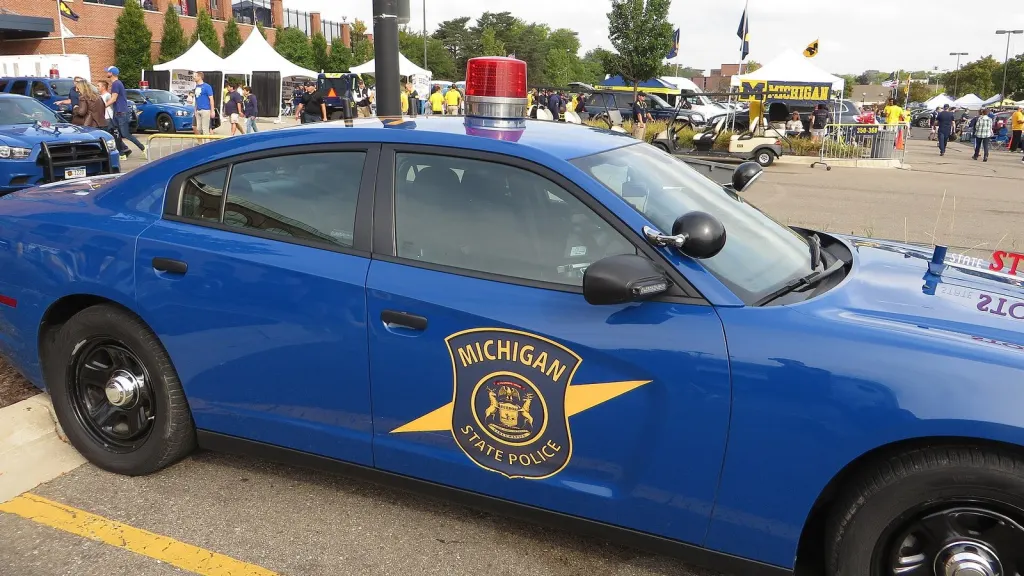
Photo: Ken Lund from Reno, Nevada, USA / Wikimedia Commons, CC BY-SA 2.0
Michigan now has a statewide Silver Alert for missing older adults and vulnerable adults, and the Michigan State Police on Nov. 24 laid out how it works. The alert pairs a news release to media with a wireless emergency alert sent to mobile phones.
The system was created by Senate Bill 456, which Gov. Gretchen Whitmer signed in July 2026, according to the MSP.
For families caring for a parent with dementia or an adult relative with a disability, the law adds a fast way to put thousands of eyes on the search in the first hours after someone goes missing.
How an alert gets issued
The process starts with a missing-person report to a local police agency. Officers gather a physical description, where the person was last seen, clothing and identifying features, vehicle details if any, and the circumstances of the disappearance. The MSP then reviews that information and decides whether a statewide alert is appropriate, the release said.
“A Silver Alert is about getting the right information to the right people as quickly as possible,” Col. James F. Grady II, director of the MSP, said in the release. “Sharing a photo, last known location, clothing description, anything to help locate a missing person, makes a difference when every minute matters.”
As of Nov. 24, the MSP said it had not yet been asked to issue a Silver Alert since the law took effect.
What families can do now
The state police say a Silver Alert is one of several alert tools they use with local departments. Families do not request the alert directly; they call 911 or their local police department, which forwards the case for review.
Who qualifies
Senate Bill 456, sponsored by Sen. Mallory McMorrow, D-Royal Oak, became Public Act 59 of 2026 and took effect July 23, according to the Senate Fiscal Agency’s analysis. It amended the Mozelle Senior or Vulnerable Adult Medical Alert Act. Under the law, a missing senior or vulnerable adult is a Michigan resident who is:
- at least 60, believed unable to return home without help and reported missing by someone familiar with them;
- 18 or older and, because of age, developmental disability, mental illness or physical disability, needs supervision or personal care or cannot live independently; or
- missing and suffering from senility or a physical or mental condition that puts them or others in immediate danger.
Before the law, information about a missing senior went only to police, while a missing child could trigger a public AMBER Alert on cellphones, the analysis notes. The new alerts use the same federal Wireless Emergency Alert system as AMBER Alerts and severe weather warnings. The MSP expects to spend about $20,000 a year on the alerting software.
Why lawmakers acted
Testimony cited in the analysis said 27 states and Washington, D.C., already ran similar systems, and that about 203,000 Michigan residents live with Alzheimer’s disease, roughly 60% of whom will wander at least once. Gov. Gretchen Whitmer signed the bill on July 23 alongside Rowan’s Act, House Bills 4517 and 4518, which expanded the AMBER Alert system to cover missing children with special needs.
The MSP lists the criteria for Silver, Amber and other alerts on its alerts page at Michigan.gov/MSP/services/alerts. For other state laws taking effect, see our coverage of the January minimum wage increase and hospital safety grades, and follow statewide news in Michigan News.