Photo: Roy Zuo / Wikimedia Commons, CC BY-SA 4.0
At least 2 million Michigan residents are living with diabetes or prediabetes, making it one of the fastest-growing chronic diseases in the state, the Michigan Department of Health and Human Services said in marking Diabetes Awareness Month, which Gov. Gretchen Whitmer proclaimed for November.
An estimated 939,641 Michigan adults have been diagnosed with diabetes, and more than 1 million adults likely have prediabetes, most without knowing it, according to the department.
A leading cause of death
“Diabetes is a leading cause of death in Michigan and can lead to serious complications, including heart disease, stroke, blindness, kidney disease and lower extremity amputations,” said Dr. Natasha Bagdasarian, the state’s chief medical executive. “The good news is that many of these outcomes can be prevented or delayed through early detection, routine screening and effective management. Know your risk, get screened and, if you are diagnosed, work with your health care team to keep your blood sugar, blood pressure and cholesterol under control so you can live a healthier, fuller life.”
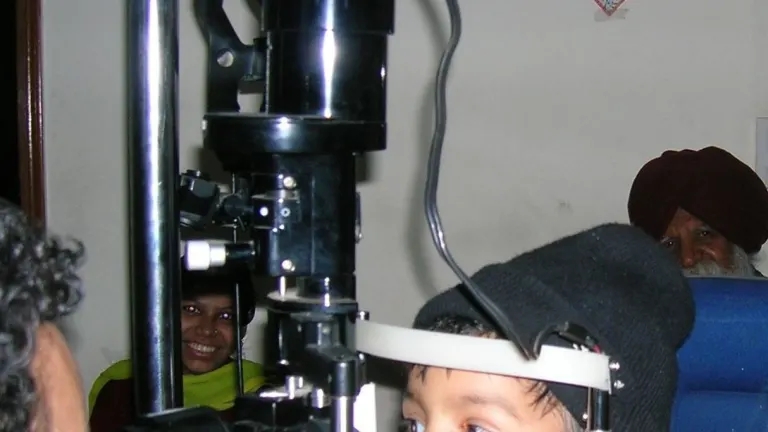
Unmanaged diabetes also raises the risk of retinopathy and nerve damage, MDHHS said.
What diabetes is
Diabetes occurs when blood glucose, or blood sugar, rises too high. The body breaks food down into glucose and uses insulin to move it from the blood into cells for fuel. With diabetes, the body doesn’t make enough insulin or can’t use it as well as it should. The most common types are type 1, type 2 and gestational diabetes, which happens during pregnancy.
Prediabetes means blood sugar is higher than normal but not high enough to be type 2 diabetes. It can be reversed with changes such as eating well, being active and keeping a healthy weight, according to the department.
Programs that help
For prediabetes: MDHHS promotes the National Diabetes Prevention Program, which has been shown to cut the risk of developing diabetes by 58% overall and by 71% for people over 60. No referral is needed, and providers can enroll participants in person, virtually or online. The program is covered at no cost by Medicaid, Medicare, some commercial insurance plans and other community programs. People unsure whether they have prediabetes can take a one-minute risk test.
For diabetes: Diabetes Self-Management Education and Support, or DSMES, lets people of any age work with trained educators on a personal plan, focusing on eating patterns, activity and other lifestyle changes. It is covered by Medicare, Medicaid and most commercial plans, and participation has been shown to lower hemoglobin A1c, which helps prevent or delay complications, MDHHS said. Patients can ask a provider for a referral, contact the MDHHS Diabetes Prevention and Control Program, or use the department’s online map of DSMES providers.
Also this month: using antibiotics wisely
MDHHS also marked Antibiotic Awareness Week, Nov. 18-24, urging residents not to use antibiotics for respiratory viruses such as COVID-19, flu, RSV and colds, which they cannot treat. About 30% of human antibiotic use may be inappropriate, according to the Centers for Disease Control and Prevention, and misuse helps germs become resistant. “Please don’t take leftover antibiotics or share them – they may be unnecessary or unsafe,” Bagdasarian said, adding that some viral infections have antiviral treatments that work best when started early.
More information is at Michigan.gov/Diabetes. For other state health guidance this season, see our reports on Thanksgiving food safety and more in Health.