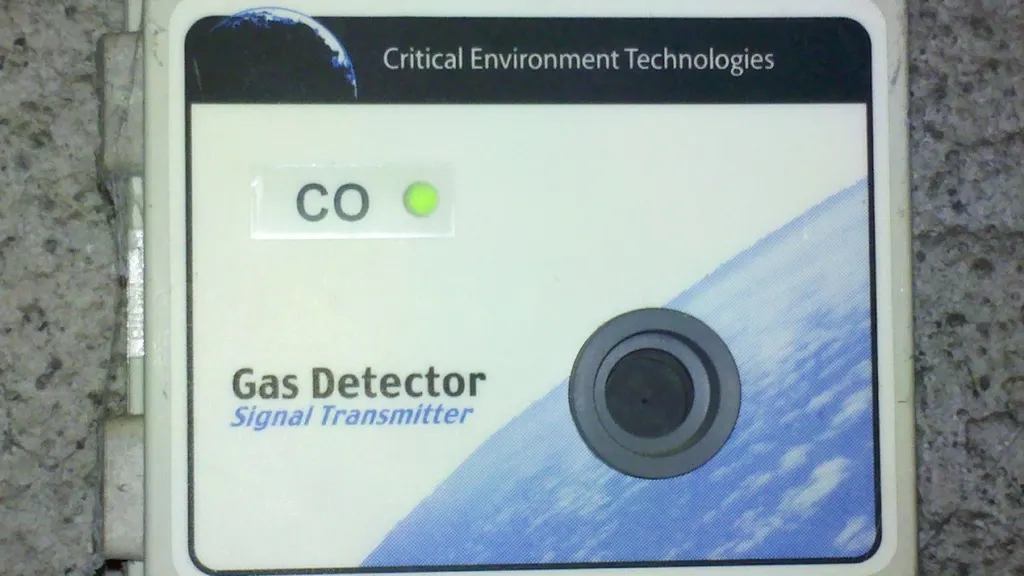
Photo: 384 / Wikimedia Commons, CC BY-SA 4.0
With furnaces running and winter storms able to knock out power, Michigan health, fire safety and police officials are urging residents to guard against carbon monoxide, a gas that can kill without warning. Gov. Gretchen Whitmer proclaimed November 2026 Carbon Monoxide Safety and Awareness Month, the Michigan Department of Health and Human Services, the Department of Licensing and Regulatory Affairs and Michigan State Police said in a joint release.
In 2024, Michigan recorded 608 cases of illness from unintentional carbon monoxide poisoning, including 42 deaths, according to the state’s 2024 Carbon Monoxide Surveillance Report.
“Carbon monoxide is a poisonous gas that you cannot see, taste or smell – but it can be deadly when you breathe it in,” said Dr. Natasha Bagdasarian, the state’s chief medical executive. “Symptoms of carbon monoxide poisoning include headache, fatigue, dizziness, nausea, confusion and shortness of breath. I urge families to have working carbon monoxide detectors in their homes to help prevent tragedies.”
Who is most at risk
- Developing babies: Fetal blood cells absorb CO more easily than adult cells.
- Children: Smaller bodies that breathe faster can take in more CO.
- Older adults: They face a higher risk of illness and may be more likely to suffer brain damage.
- Everyone: Symptoms worsen the longer the exposure lasts.
Where it comes from
CO is produced wherever carbon-based fuels burn, including natural gas, kerosene, gasoline, propane, charcoal, oil and wood. All fuel-burning items, including vehicles and portable generators, give it off, and it can build up in enclosed or partly enclosed spaces. Opening windows or doors does not stop the buildup, officials said.
“Carbon monoxide exposure is preventable, but you have to take action before there is an emergency,” said State Fire Marshal Tom Hughes. “If an alarm sounds or you think carbon monoxide may be present, get outside into fresh air and call 911. Don’t try to find the source or wait to see if the alarm stops.”
Prevention checklist
- Install 10-year lithium battery CO detectors on every level of the home and near all sleeping areas. Smoke detectors do not detect CO.
- Inspect vehicles yearly and fix exhaust leaks right away.
- Never run a vehicle in a garage or other enclosed space, even with the doors open.
- Have furnaces, water heaters and other fuel-burning appliances professionally inspected every year.
- Never use grills, generators, gas-powered saws or outdoor heaters inside a home, basement, tent, garage or camper, and don’t heat living spaces with a gas oven.
- Run portable generators at least 20 feet from enclosed structures, using extra-long, grounded extension cords.
Storm outages raise the stakes
Generator safety matters most when the power goes out. Ahead of Thanksgiving rain and wind, DTE Energy put 350 lineworkers on call and urged customers to run portable generators outside, away from doors and windows; see our storm-prep story.
“Because carbon monoxide can be deadly, it’s essential to know the risks and be prepared to protect your family during the winter months,” said Col. James F. Grady II, director of the State Police. More is at Michigan.gov/carbonmonoxide and in Weather.