Photo: Notorious4life (talk) (Uploads) / Wikimedia Commons, CC0
Northern Michigan gained clean energy jobs last year even as the sector shrank statewide, according to the annual Clean Jobs Midwest report from the clean energy business group E2, Interlochen Public Radio and Grist reported in a story published by the Michigan Advance.
The region added 278 clean energy jobs in 2025, an increase of nearly 10% over 2024. Wexford County saw the most growth, followed by Kalkaska and Grand Traverse counties. The report draws on yearly federal survey data collected by the U.S. Department of Energy.
Microgrids in Wexford County
Most of Wexford County’s gain came from 250 jobs in microgrids, small electric grids that can generate, store and deliver power to a local area even when the broader grid goes down.
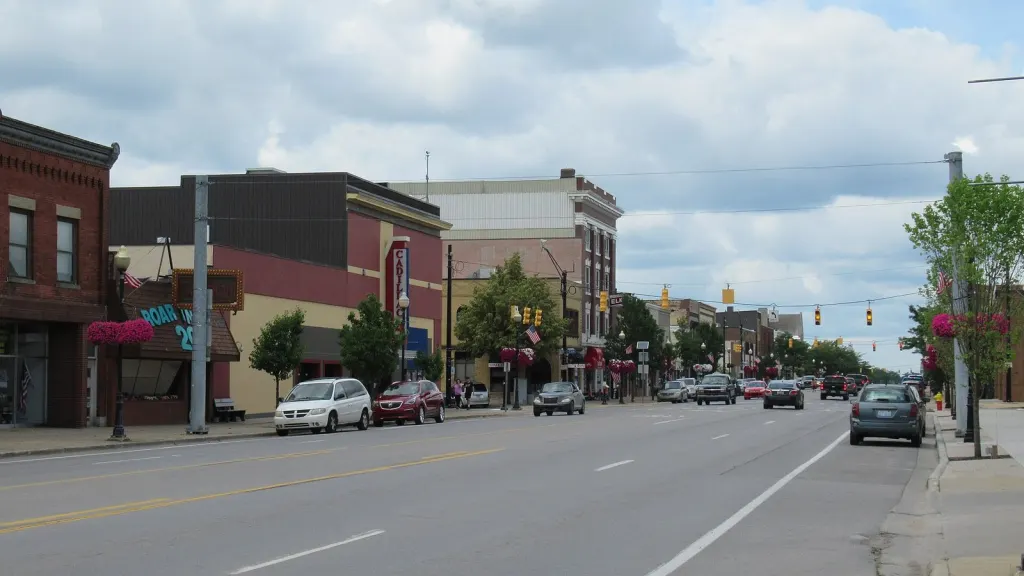
That work may keep growing. The City of Cadillac, the county seat, is seeking to convert its municipal buildings into a microgrid powered by renewable energy, using $4.4 million from the energy efficiency company Budderfly, according to the report.
“When people think about clean energy jobs, they often picture large manufacturing facilities around Detroit, or other major population centers. But one of the things that our data shows is that that’s only part of the story,” said Micaela Preskill, E2’s director of state advocacy.
Most clean energy growth nationally is happening in rural areas, where developers are drawn by large tracts of land and access to water, according to research cited in the story.
Statewide, a decline
Michigan as a whole lost about 2,000 clean energy jobs in 2025, a 1.5% drop from the year before. Seven other northern Michigan counties also lost jobs.
Preskill tied the decline to federal policy. The One Big Beautiful Bill Act in 2025 reversed many clean energy policies adopted under the Biden administration, and rebate programs for electric vehicles, heat pumps and other home energy upgrades ended. Michigan was hit hardest by cuts to electric vehicle programs, the report found, and the transportation sector accounted for most of the state’s losses.
Over a longer stretch, the numbers still point up. Since 2020, Michigan clean energy jobs have grown by more than 12%. Solar and wind made up the largest share of power generation jobs in the state last year, continuing to outnumber jobs tied to natural gas and coal.
“We had a recipe that was working,” Preskill said. “Growing policy uncertainty and project cancellations could slow that momentum, just as many rural communities are beginning to see the benefits.”
Growth and pushback
The state has set ambitious clean energy goals. Along the Lake Michigan coast it has invested millions in a “Blue Economy” push that includes electric boats and clean power for ports, and a state siting law now limits local governments’ ability to reject large solar, wind and battery projects outright.
Large projects still face resistance from some residents who say they take productive farmland out of use. Preskill said future growth will depend largely on federal policy.
More regional business news is in Northern Michigan & U.P. and Business; see also the University of Michigan’s statewide jobs forecast.