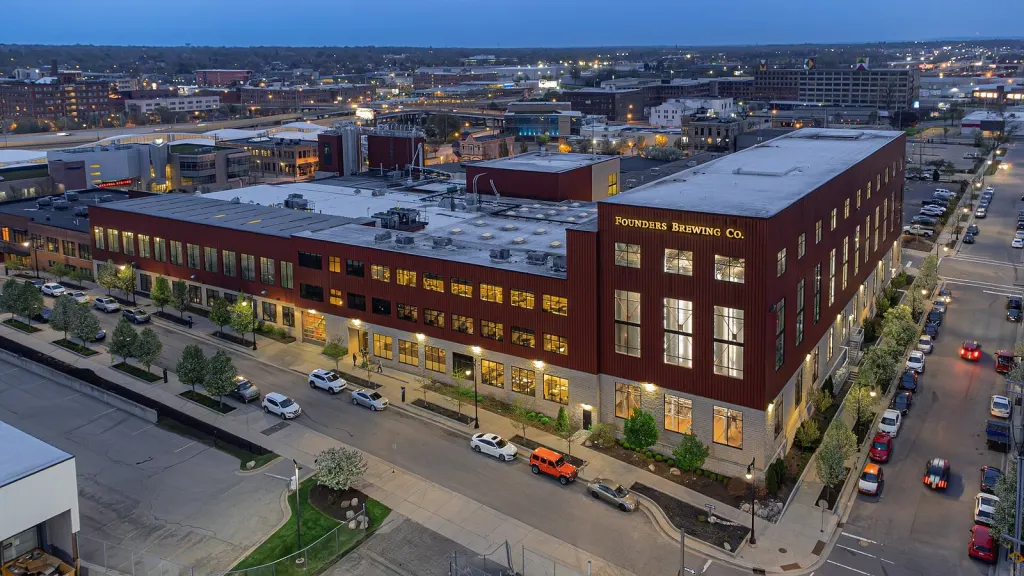
Photo: WMrapids / Wikimedia Commons, CC0
Gov. Gretchen Whitmer has proclaimed November 2026 Michigan Craft Beverage Month to celebrate the state’s producers of craft beer, wine, cider, mead, spirits and non-alcoholic drinks, the Michigan Department of Agriculture and Rural Development announced Nov. 9.
By the numbers
Michigan has more than 750 craft beverage establishments and ranks in the top 15 nationally for wineries, distilleries, breweries and cideries, according to MDARD. The state’s figures show:
- More than 25,000 Michigan jobs supported by the craft beverage industry.
- A total economic impact of $7.3 billion a year.
- Craft beverage tourism that brings 3.9 million visitors and $892.6 million in spending each year.
“Choosing Michigan craft beverages is a vote of support for the brewers, distillers, vintners, cidermakers, maltsters and farmers whose hard work helps power our economy,” said Tim Boring, MDARD’s director. “Through grant programs, targeted research and investments in regenerative agriculture, MDARD is working to ensure a bright future for Michigan’s craft beverage industry, the producers, and the communities they serve.”
“The craft beverage industry has an extraordinary impact on Michigan’s economy – creating jobs, increasing demand for agricultural goods and driving tourism to every corner of our state,” said Jenelle Jagmin, director of the Michigan Craft Beverage Council. “Craft Beverage Month is the perfect time to support local producers and their businesses.”
‘Michigan Crafted’ heads to grocery shelves
In 2025, MDARD and the council introduced Michigan Crafted, a consumer-facing brand meant to cement the state’s identity as a craft beverage destination. This winter, the brand will expand into retail through a partnership with Busch’s Fresh Food Market, the southeast Michigan grocery chain, the department said.
Where the state money goes
MDARD and the council have invested about $3 million in craft beverage research and education grants over the past seven years, funding work on sustainable agriculture and new ways to increase production. The department has also steered money from broader grant programs to the sector. Last year that included:
- Nearly $250,000 in economic development grants to help three northern Michigan producers expand beer, cider and wine production.
- A nearly $306,000 Resilient Food Systems Infrastructure Grant to help Petoskey Farms Vineyard and Winery expand climate-controlled wine and cider storage.
- Nearly $144,000 in Underserved, Value-Added Grants to help Granor Farms in Three Oaks and Mitten State Malt in Okemos expand processing of craft beverage ingredients.
Earlier this year, MDARD also put nearly $500,000 into Regenerative Farmer Networks that work on soil health and sustainable farming. One of them, the Michigan RegenVine Network, focuses on regenerative practices for growing wine grapes.
From farm to glass
The state frames the industry as an agricultural story as much as a hospitality one. Boring’s statement credits maltsters and farmers alongside brewers, distillers, vintners and cidermakers, and Jagmin pointed to the industry “increasing demand for agricultural goods.” The grants above went to a vineyard, a farm and a malt house as well as to producers.
How to find a producer
The Michigan Craft Beverage Council’s website includes a directory of producers by region, and the governor’s proclamation is posted on MDARD’s site. For more food and drink coverage, see Lifestyle; for farm and food business news, see Business.