Photo: Notorious4life (talk) (Uploads) / Wikimedia Commons, CC0
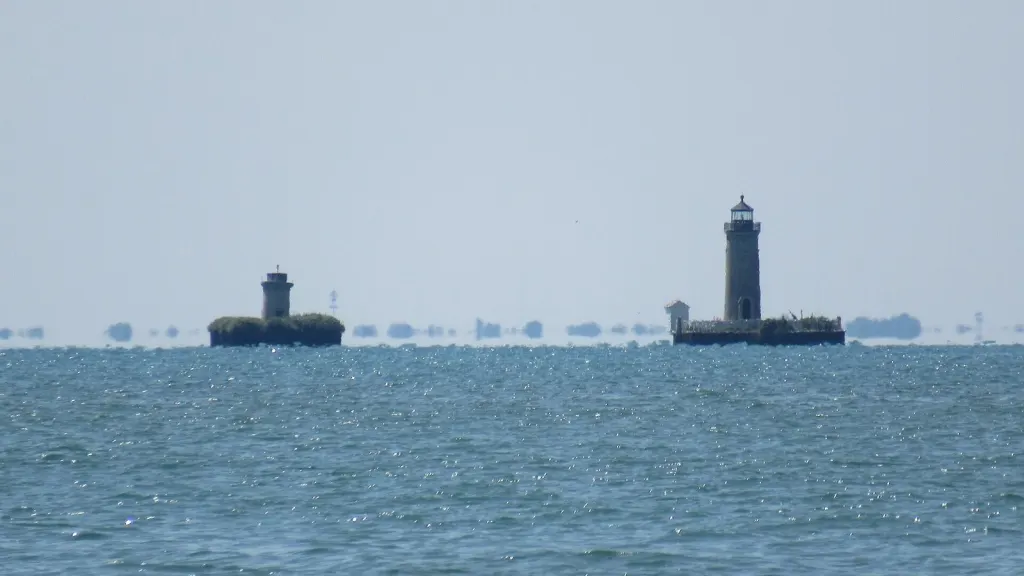
On Harsens Island in the St. Clair Flats State Wildlife Area, Michigan Department of Natural Resources conservation officer Cody Bourgeois walked up to two waterfowl hunters in a docked boat last Friday. “Hunting licenses first,” he said, according to a Bridge Michigan report published this week.
He checked their guns, then their shotgun shells. Waterfowl hunters in the managed area may carry only 25. One had more, apologized and said it was an accident. Bourgeois wrote him a citation. “That gentleman was very nice,” Bourgeois said afterward. “There was no backlash towards me.”
More than a ‘fish and game cop’
More than 200 conservation officers serve in Michigan. Each county typically has two, but can have as many as four, and they mostly patrol alone to spread out resources. Besides enforcing hunting and fishing rules, they join searches and rescues, answer general emergency calls and can write speeding tickets. In rural areas, they may be the only on-duty emergency responders. Earlier this year, the DNR honored an officer who was first to reach the Barry County home of a man in cardiac arrest and helped save his life, Bridge reported.
“Over the years, our mission has evolved beyond that of a traditional ‘fish and game cop’ to include recreational safety and resource protection,” said Brandon Kieft, chief of the DNR Law Enforcement Division. “Our officers patrol daily to ensure people across Michigan are hunting, fishing, snowmobiling, boating, kayaking, operating off-road vehicles and enjoying other outdoor activities safely and legally.”
Recruits go through about six months of training covering physical fitness, fish and game law, animal identification, examining carcasses, first aid and operating boats and off-road vehicles, with weeks of training each year after hiring. The Law Enforcement Division received $56.4 million, about 10% of the DNR’s budget, in fiscal 2026. Officers earn roughly $45,000 to $128,000 a year, according to state wage data.
Few tickets, some friction
Most interactions don’t end in a ticket. About 3% of conservation officer contacts resulted in a citation in 2025, according to the DNR. Still, some people think the department over-polices the outdoors. State Rep. Ken Borton ran for office after being ticketed for a backyard feeder that attracted deer, which was illegal at the time, and last year rocker Ted Nugent called wildlife regulators “insane” and “the enemies of conservation” at a legislative hearing.
Hunting and fishing rules can be set by lawmakers but are mainly crafted by the governor-appointed Natural Resources Commission on DNR recommendations. When a rule is unpopular, officers “see us first,” Bourgeois said. “So they take their anger out on us. And it stinks.”
“The biggest difference between our job and normal police officers’, especially this time of year, (is that) everybody that we encounter has a gun,” said Bourgeois, 31, who grew up hunting and fishing in New York. Hunters have pointed loaded guns at him, including once when he announced himself with a flashlight to a group leaving the woods after dark.
A season-by-season beat
This time of year he focuses on trapping and duck and deer hunting. In winter he shifts to ice fishing and snowmobiling, in spring to the walleye and salmon runs, and in summer to boating. “It’s nice because it’s always rotating,” he said.
Plenty of stops are friendly. At another stop in the wildlife area, Lindsay McDonald, 33, of Kimball Township, and her father pulled up with their dog, Lola, and a goose, two coots and a mallard. Their licenses and guns checked out. “Have a great year. Happy Thanksgiving!” Bourgeois told them. More is in Outdoors.